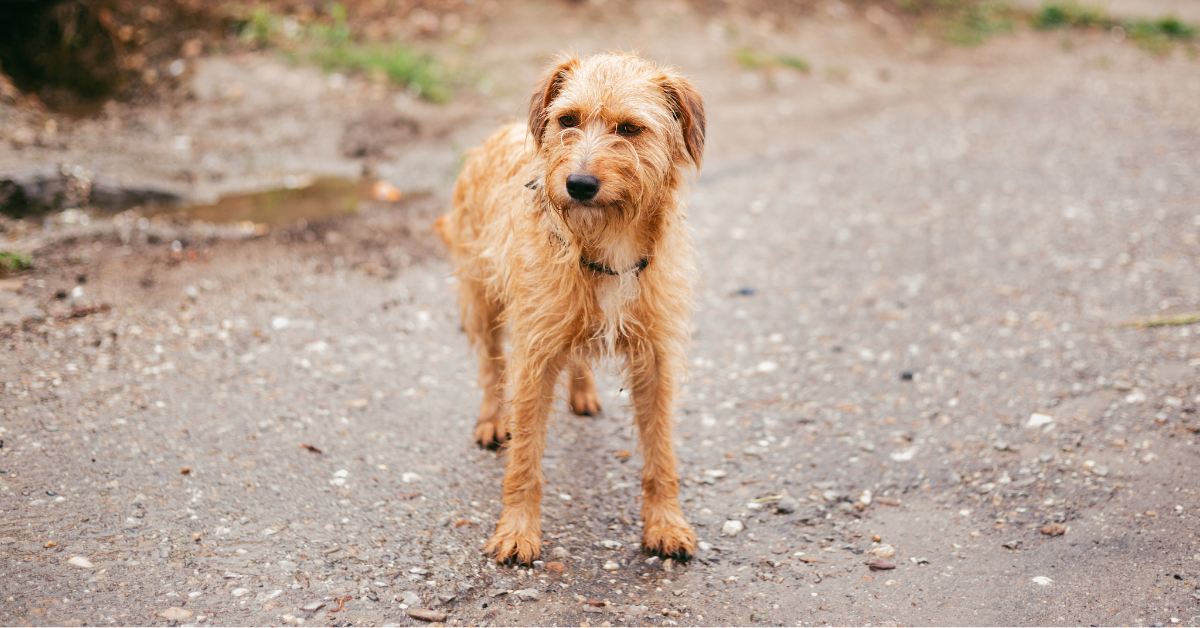
Seeing a loose dog can be concerning, and it’s natural to want to stop and help. Whether the dog is wandering through your neighborhood or running near a busy road, your first thought might be to pick them up and take them to an animal shelter.
But before you do, take a moment to consider your options. Calling first helps us determine the best course of action based on the dog’s condition, location and any public safety concerns.
Start by deciding how you can help
When you see a loose dog, there are a few ways you can help:
- Contact your local dog warden or shelter before taking the dog into your care. Once you take possession of a stray dog, you’re legally considered its keeper, and that comes with responsibilities. In Montgomery County, call (937) 898-4457 to report the dog. Be prepared to answer a few questions that help us enter and prioritize the call for service. Our Animal Care and Control Officers respond to calls throughout the county, but they must prioritize emergencies first. Calls involving sick or injured dogs, aggressive behavior or public safety concerns take priority over healthy dogs that are roaming.
- Get involved and help the dog yourself. If you choose to safely secure the dog while searching for its owner, it’s important to understand what caring for a loose dog may involve before bringing the dog into your care.
Helping a loose dog may take more than a few minutes
Many people think they can pick up a loose dog, take it to a shelter and be on their way.
Sometimes it’s not that simple.
If you decide to take a dog into your care, you should be prepared for the possibility that you’ll have it longer than you expected. While many lost dogs are reunited with their families within hours, others may take longer.
Before bringing a dog home, ask yourself:
- Can I safely handle and transport this dog?
- Do I have a safe place for the dog to stay if the owner isn’t found today?
- Am I able to care for the dog while I help look for its owner?
If the answer is no, that’s okay. Reporting the dog is still a great way to help.
You don’t have to do it alone
If you decide to temporarily care for a loose dog while searching for its owner, we’re here to help.
Depending on your situation, the Montgomery County Animal Resource Center may be able to provide supplies such as dog food, a crate or other basic items to make temporary care a little easier.
If you’re willing to help but don’t have everything you need, give us a call. We’ll talk through your situation and let you know what resources may be available.
Most loose dogs have families looking for them
A dog wandering alone doesn’t always mean it’s homeless. In fact, many loose dogs are loved family pets that slipped out of a yard, escaped through an open door or got away during a walk. Oftentimes, a loose dog is not far from home.
The best outcome is getting them back home as quickly as possible. Simple steps like checking for identification, having the dog scanned for a microchip, talking with neighbors and posting in local lost-and-found pet groups can make a big difference.
We’ve created a guide to help
If you see a loose dog and decide you want to get involved and help reunite them with their family, we’ve put together a step-by-step guide that explains what to do next.
It includes information about:
- Checking for identification
- Scanning for a microchip
- Reporting the dog as found
- Using social media to help find the owner
- What to do if no owner comes forward
Following these steps gives the dog the best chance of getting back home.
Every situation is different
Our goal is always to reunite lost dogs with their families whenever possible. Sometimes that means sending an Animal Care and Control Officer. Other times, the fastest way home is with the help of a Good Samaritan who can safely care for the dog while its owner is located.
If you’re not sure what to do, call us before getting involved. We’ll talk through the situation, explain your options and help you decide on the next best step.